
Species guide
Indian Major Carp (Rohu, Catla, Mrigal)
Labeo rohita, Catla catla, Cirrhinus mrigala
The backbone of Indian freshwater polyculture. Catla feed at the surface, rohu in the water column and mrigal at the bottom — which is why a floating-plus-sinking feed strategy reaches all three.
- Optimal stocking
- 3,000–5,000per hectare
- Maximum stocking
- 8,000per hectare
- Optimal temperature
- 25–32degrees Celsius
- Typical harvest size
- 800 g – 1.5 kg
- Typical culture period
- 10–12 months
- Feeding zone
- All three zones: catla at the surface, rohu in the column, mrigal at the bottom
Water to aim for
- Temperature
- 25–32 °C
- Dissolved oxygen
- 5 mg/L or more
- pH
- 7.0–8.5
Feeding by growth stage
General starting ranges, as a share of the fish's body weight each day. Adjust to appetite, water temperature and oxygen, and ask your advisor for your own pond.
Fry to fingerling
- Fish size
- Up to 50 g
- Feed per day
- 5–8% of body weight
- Meals per day
- 4
Feed
Juvenile
- Fish size
- 50–200 g
- Feed per day
- 3–4% of body weight
- Meals per day
- 3
Feed
Grow-out
- Fish size
- 200–500 g
- Feed per day
- 2.5–3% of body weight
- Meals per day
- 2
Feed
Finishing
- Fish size
- Above 500 g
- Feed per day
- About 2% of body weight
- Meals per day
- 2
Feed
Floating and sinking feed together
Feed floating pellets first for catla and rohu, where you can watch how much they take, then a sinking feed for mrigal on the bottom. Split the two roughly in line with how much of your stocking is bottom feeders. A floating-only programme leaves mrigal short.
Good practice
- Stock catla, rohu and mrigal at about 40:30:30, then adjust the mix for your local market.
- Feed in the early morning and late evening, when dissolved oxygen is better.
- Use feeding rings or fixed feeding spots so you can see what is eaten and what is left.
- Cut the ration as the water cools in winter; fish eat much less below 22 °C.
- Prepare the pond and build up natural food before stocking.
- Check feed used against growth every few weeks; the FCR calculator makes it quick.
Mistakes to avoid
- Overfeeding, which spoils the water before it grows fish.
- Working out the ration without allowing for water temperature.
- Giving no sinking feed to mrigal and other bottom feeders.
- Skipping pond preparation and natural food development.
- Keeping the same stocking ratio regardless of what sells locally.
Recommended products
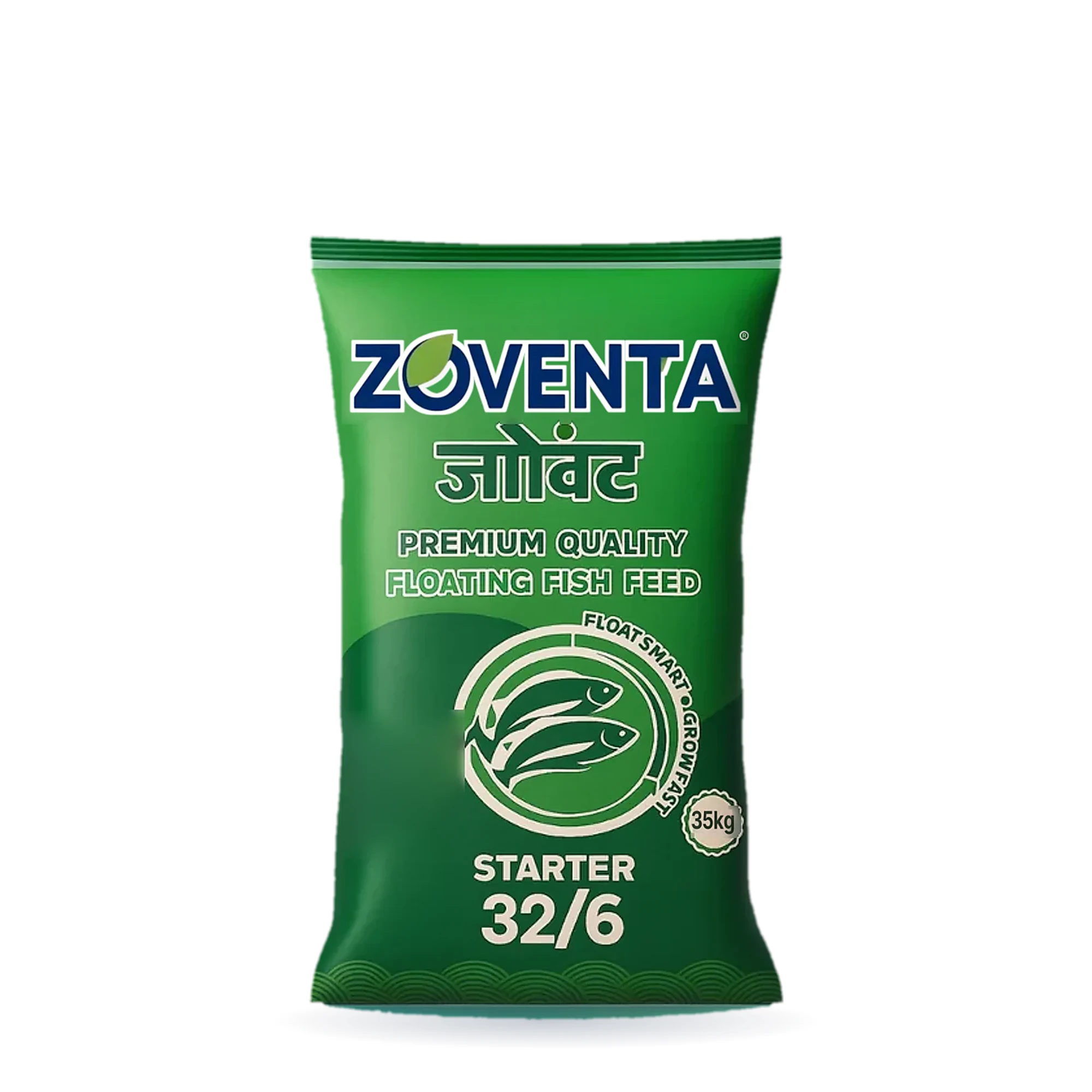
Starter Feed
Floating Fish Feed - Starter 32/6
High-protein, nutrient-rich floating feed formulated for the early growth stages of fish
- High Protein Content
- Vitamins and Minerals
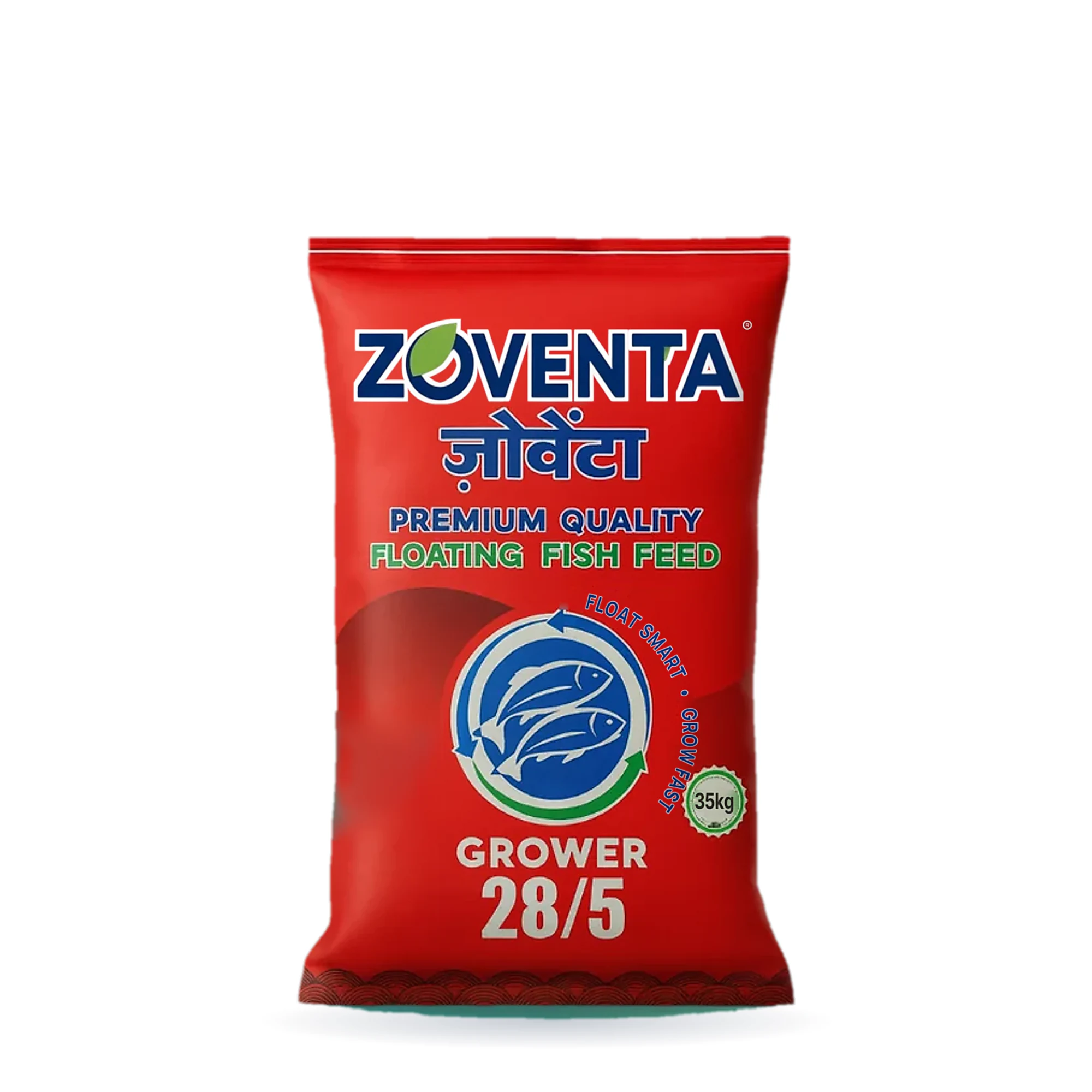
Grower Feed
Floating Fish Feed - Grower 28/5
A scientifically balanced floating feed designed for the intermediate growth phase
- Balanced Protein-Fat Ratio
- Vitamins and Minerals
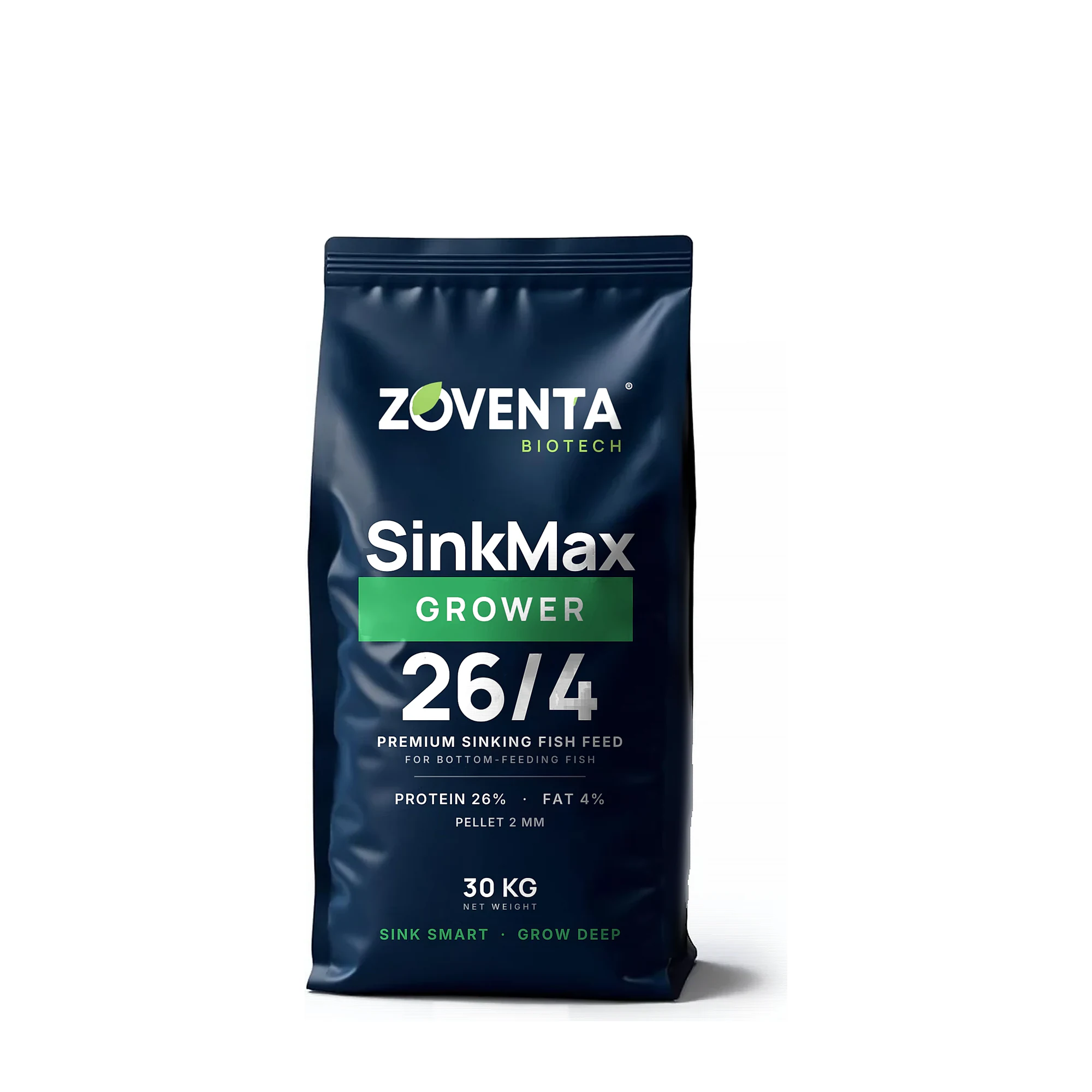
Sinking Grower Feed
SinkMax Grower 26/4
Premium sinking grower feed with balanced protein for optimal FCR and muscle development
- 26% Protein Content
- 4% Fat Content
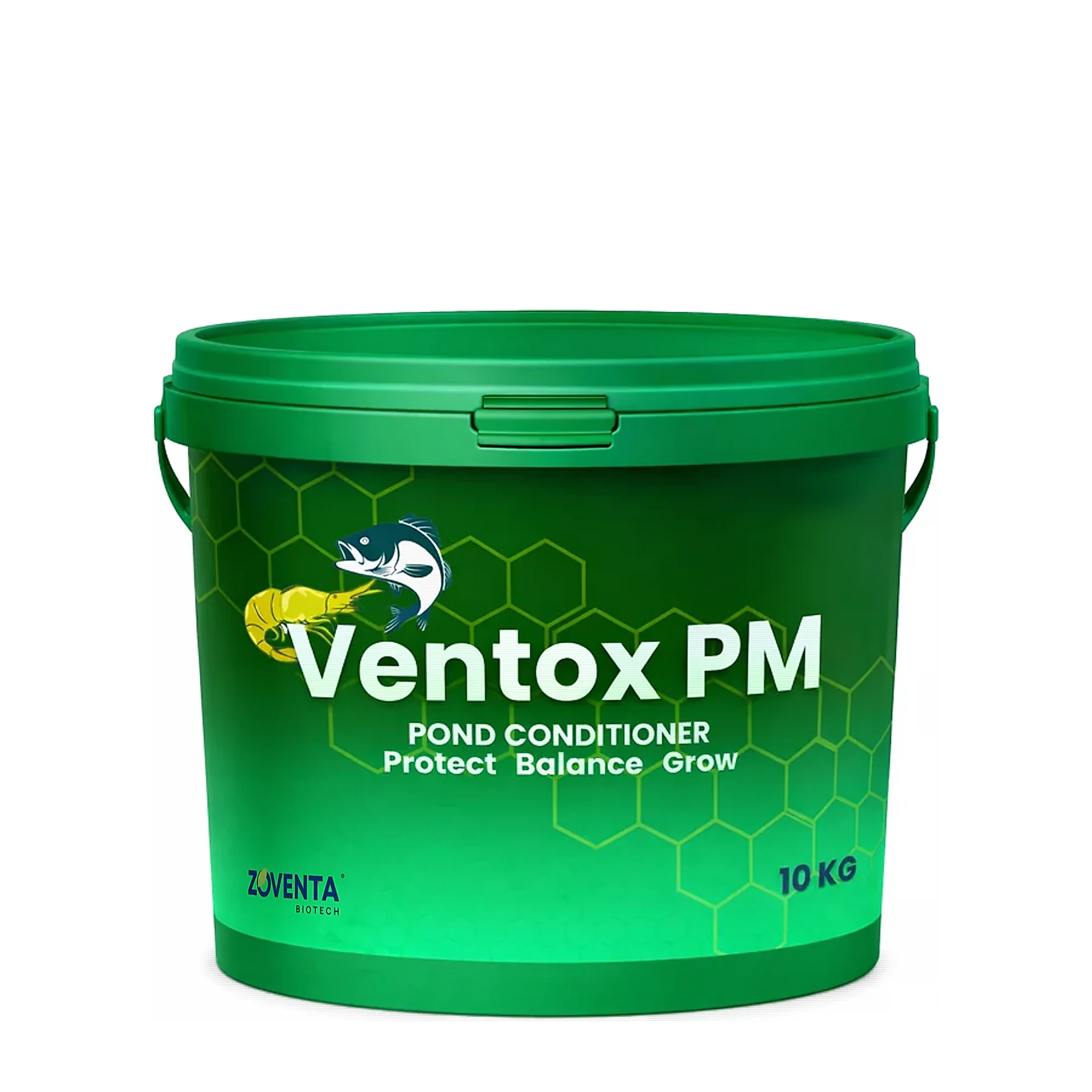
Pond Conditioner
Ventox PM
A powerful pond conditioner that neutralises harmful toxins from pond bottom
- Toxin Neutralisation
- Bottom Sludge Management
Read more
- Guide · 7 minFloating vs Sinking Feed: Complete Guide for Indian Polyculture
- Guide · 6 minHow to Calculate Daily Fish Feed Requirement: A Practical Guide
- Guide · 8 minComplete Guide to Water Quality Management in Aquaculture
- Guide · 4 minCommon Feeding Mistakes in Traditional Aquaculture and How to Avoid Them
- Guide · 4 minKeeping Fish Healthy: Biosecurity, Pond Management and Early Warning Signs
- Guide · 3 minFeed Optimisation: Getting More Growth from Every Bag
- Guide · 3 minSeasonal Aquaculture: Best Practices for Each Season
- Guide · 3 minProbiotics in Aquaculture: What They Are and How to Use Them
- Guide · 3 minStocking Density: Finding the Right Balance for Your Pond
Work out feed for your indian pond
Enter your stock count and average weight to get a daily feeding rate adjusted for water temperature — or ask the advisor and it will do the calculation for you.