
Pond Health · 4 min read
Keeping Fish Healthy: Biosecurity, Pond Management and Early Warning Signs
How good pond management and simple biosecurity lower the risk of disease on a fish farm, which warning signs to watch for, and when to call an expert.
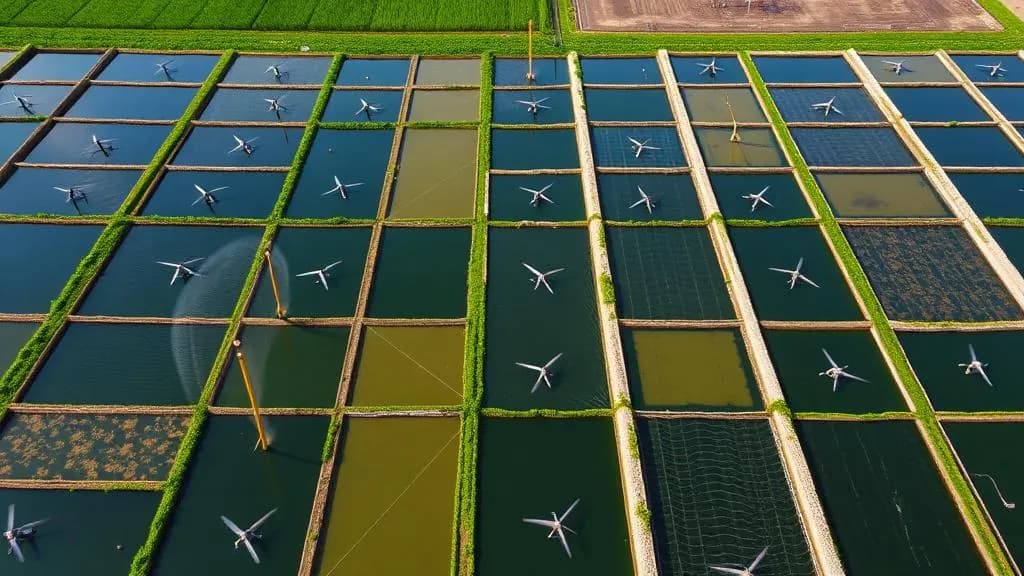
A disease outbreak can undo months of work in a few days. No farm can make that risk zero, and no feed or pond product can promise to. What farmers can do is lower the risk with good pond management and simple biosecurity, notice trouble early, and get expert help quickly. This guide covers those three habits.
Biosecurity: keep problems out of the farm
Most outbreaks start with something carried into the farm: sick seed, water from an affected pond, or nets, buckets and boots that have been used somewhere else. Biosecurity simply means making that less likely.
Buy seed only from a hatchery you trust, ask how the brood stock and seed are checked, and look at the seed before you accept it: active, evenly sized fry with no visible damage or unusual marks. Where you can, keep new stock in a separate pond or a hapa for the first couple of weeks and watch it closely before mixing it with fish already on the farm. Keep a set of nets and buckets for each pond, or rinse and sun-dry them between ponds, and limit visitors' access to the pond edge.
The pond environment and stress
Fish that are stressed by poor water or overcrowding are more likely to fall ill. Low dissolved oxygen, sudden temperature changes, high ammonia and a thick layer of sludge on the bottom all put fish under pressure. Good water is not only about growth; it is the most important thing you control for the health of your stock.
Test the water regularly, especially oxygen at dawn. Do not overfeed, and remove uneaten feed and any dead fish promptly, because both rot and foul the water. Stock at a density your pond and aeration can support. Between cycles, prepare the pond properly: drain it, remove excess sludge, let the bottom dry and crack in the sun, and lime it according to your soil and the advice of your local fisheries office.
Feeding well
Fish need a balanced diet to grow and keep in normal condition. Feed a complete feed that suits the species and the size of the fish, in the right amount for the stock's weight and the water temperature. Fresh, properly stored feed matters as much as the ration: mouldy or stale feed is a risk to the fish and should be thrown away.
Watch how the fish feed every day. A sudden drop in appetite is one of the earliest signs that something is wrong with the water or the fish, so note it and look for the cause rather than simply feeding less.
Early warning signs
Daily observation is your early warning system. Walk the pond at the same times each day, ideally at dawn and at feeding time, and teach anyone who works on the farm to do the same. Look out for fish going off their feed, gasping at the surface or crowding near the inlet, swimming slowly, in circles or on their side, rubbing against the bottom or the bunds, and any sores, red patches, frayed fins, swollen bellies, cloudy eyes or unusual marks. A few more dead fish than usual is a warning, not bad luck.
Write down what you see along with the water readings, the weather and what you fed. These records help an expert work out what is happening and help you spot patterns from one season to the next.
If you see a problem
Act quickly but calmly. Reduce or stop feeding, run the aerators, check oxygen, temperature and ammonia, and remove dead and dying fish, burying them away from the pond. Avoid moving fish, water or equipment between ponds until you know what is going on.
Then call for help before you treat anything. Your district fisheries officer, the nearest Krishi Vigyan Kendra or an aquatic animal health laboratory can examine samples and tell you what the problem actually is. Do not add antibiotics or other chemicals on guesswork: the wrong product can make matters worse, and medicines should only be used on proper advice and exactly as the label says. The Zoventa team is happy to talk through your pond conditions and point you to the right local help.