
Feed Strategy · 7 min read
Floating vs Sinking Feed: Complete Guide for Indian Polyculture
Understand the science behind each feed type and match it to your species mix for optimal results in polyculture systems.
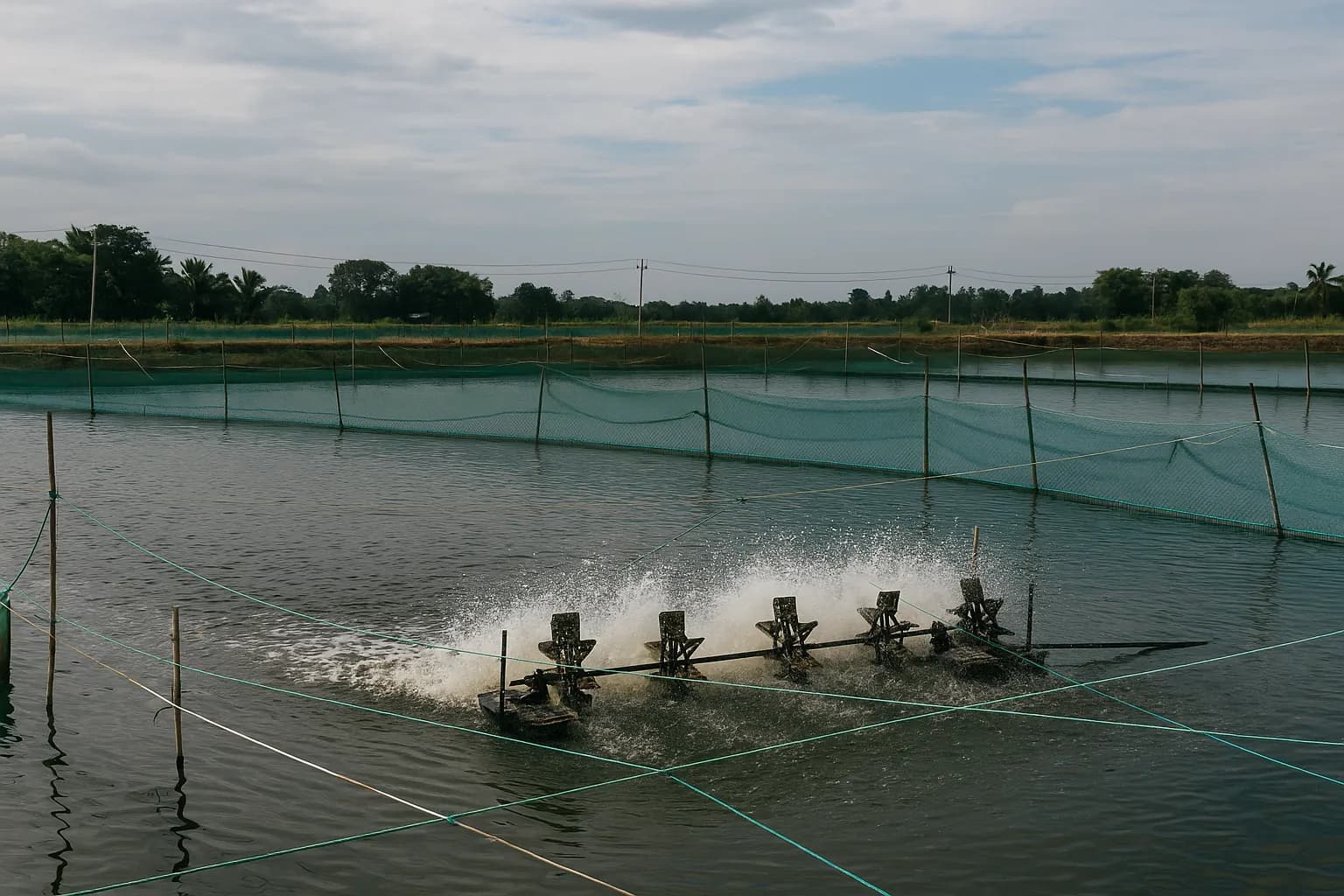
Choosing the right type of fish feed—floating or sinking—is crucial for maximizing productivity in Indian polyculture systems. This comprehensive guide explores the science behind each feed type and helps you make informed decisions for your farm.
Understanding Feed Types
Floating feeds (extruded) stay on the water surface for extended periods, allowing farmers to observe feeding behaviour and adjust portions accordingly. This visibility makes them ideal for monitoring fish health and appetite.
Sinking feeds (pelleted) descend to the pond bottom, making them suitable for bottom-dwelling species like catfish. However, monitoring consumption becomes more challenging with sinking feeds.
Matching Feed to Species
In Indian Major Carp polyculture (Rohu, Catla, Mrigal), floating feeds work well as these species are surface and column feeders. Catla, being a surface feeder, particularly benefits from floating pellets.
For mixed systems with bottom feeders, a combination of floating and sinking feeds may be optimal. This ensures all species in the polyculture system receive adequate nutrition.