
Species guide
Catfish (Magur, Singhi)
Clarias spp., Heteropneustes fossilis
Air-breathing catfish tolerate low dissolved oxygen but need high-protein feed and disciplined bottom management to avoid sludge build-up.
- Optimal stocking
- 20,000–40,000per hectare
- Maximum stocking
- 60,000per hectare
- Optimal temperature
- 26–32degrees Celsius
- Typical harvest size
- 150–500 g
- Typical culture period
- 6–8 months
- Feeding zone
- Bottom; needs sinking feed
Water to aim for
- Temperature
- 26–32 °C
- Dissolved oxygen
- 2 mg/L or more (air-breathing)
- pH
- 6.5–8.0
Feeding by growth stage
General starting ranges, as a share of the fish's body weight each day. Adjust to appetite, water temperature and oxygen, and ask your advisor for your own pond.
Fry to fingerling
- Fish size
- Up to 50 g
- Feed per day
- 5–8% of body weight
- Meals per day
- 4
Feed
Juvenile
- Fish size
- 50–200 g
- Feed per day
- 3–4% of body weight
- Meals per day
- 3
Feed
Grow-out
- Fish size
- 200–500 g
- Feed per day
- 2.5–3% of body weight
- Meals per day
- 2
Feed
Finishing
- Fish size
- Above 500 g
- Feed per day
- About 2% of body weight
- Meals per day
- 2
Feed
Floating and sinking feed together
Magur and singhi feed on the pond floor and rarely take floating pellets, so use a sinking feed throughout. Floating feed in a catfish pond mostly goes to waste.
Good practice
- Feed in the evening and at night, when catfish are most active.
- Spread feed over the pond bottom instead of dropping it in one spot.
- Keep the water about 0.75–1 m deep.
- Move to lower-protein feed as the fish approach harvest size.
- Grade the fish by size regularly; larger catfish eat smaller ones.
Mistakes to avoid
- Using floating feed for a bottom feeder.
- Overfeeding, which fouls the bottom and the water.
- Feeding in the heat of midday, when the fish are inactive.
- Too little water exchange in densely stocked ponds.
- Using pellets that break up before the fish find them.
Recommended products
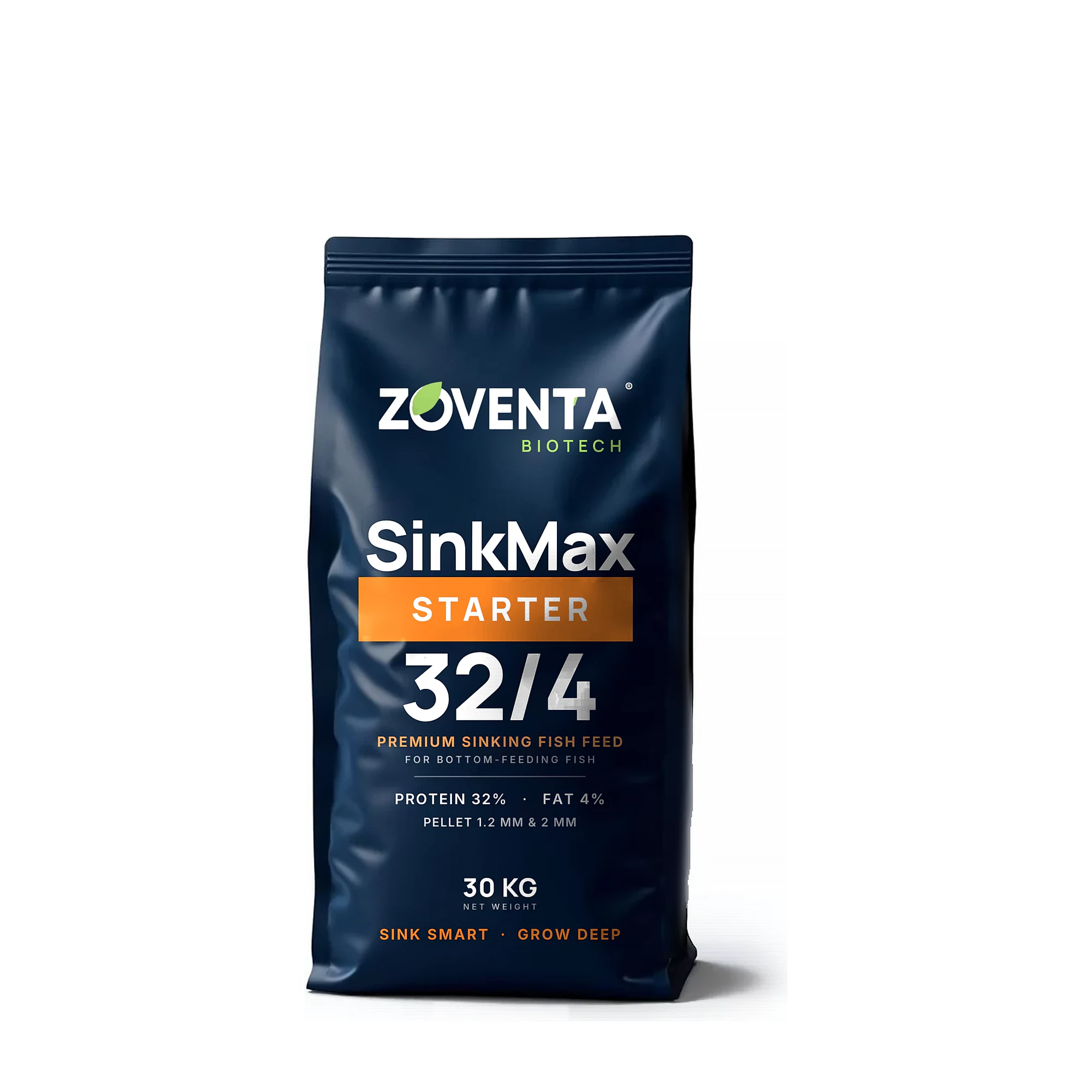
Sinking Starter Feed
SinkMax Starter 32/4
High-protein sinking starter feed for juvenile bottom-feeding fish requiring maximum nutrition
- 32% Protein Content
- 4% Fat Content
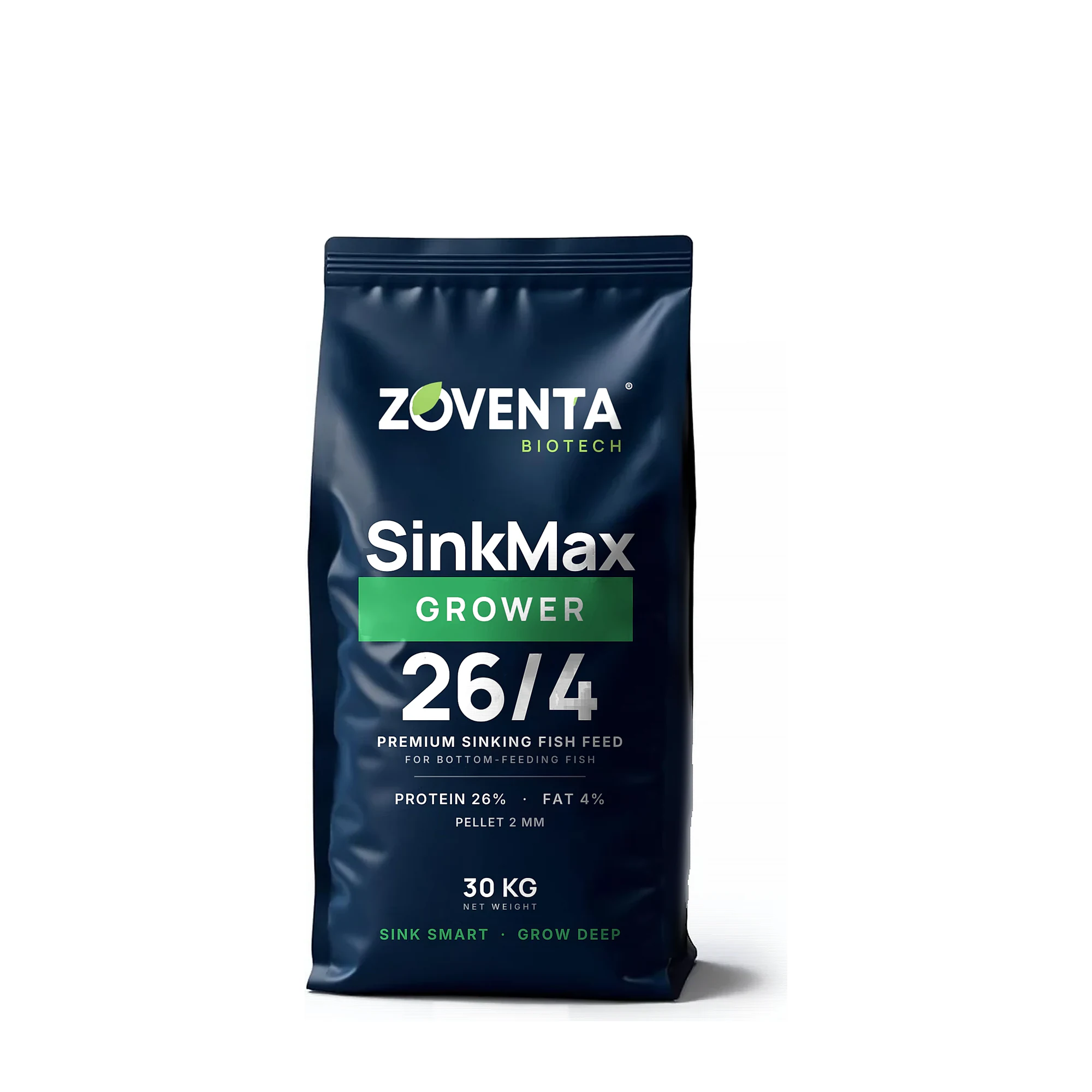
Sinking Grower Feed
SinkMax Grower 26/4
Premium sinking grower feed with balanced protein for optimal FCR and muscle development
- 26% Protein Content
- 4% Fat Content
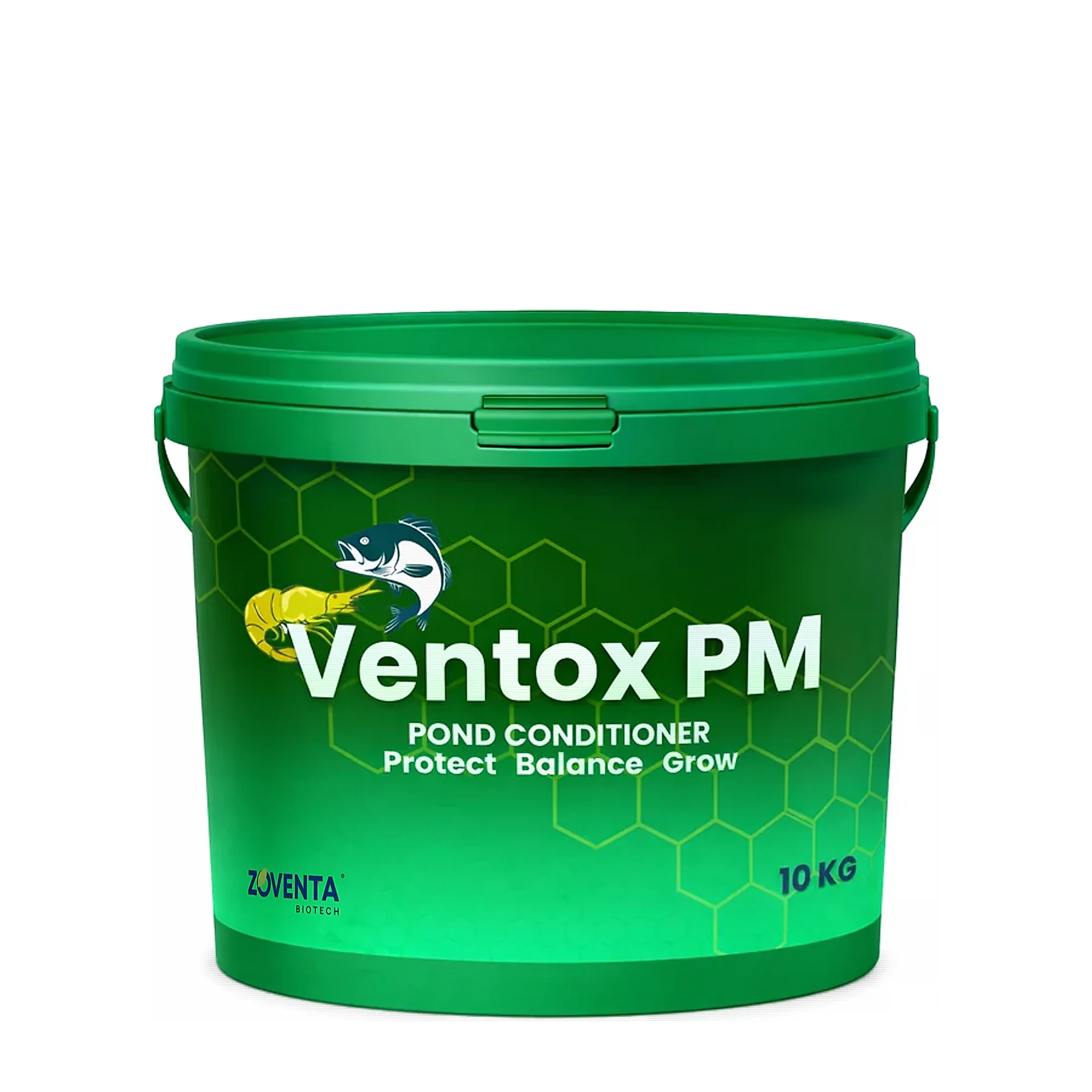
Pond Conditioner
Ventox PM
A powerful pond conditioner that neutralises harmful toxins from pond bottom
- Toxin Neutralisation
- Bottom Sludge Management
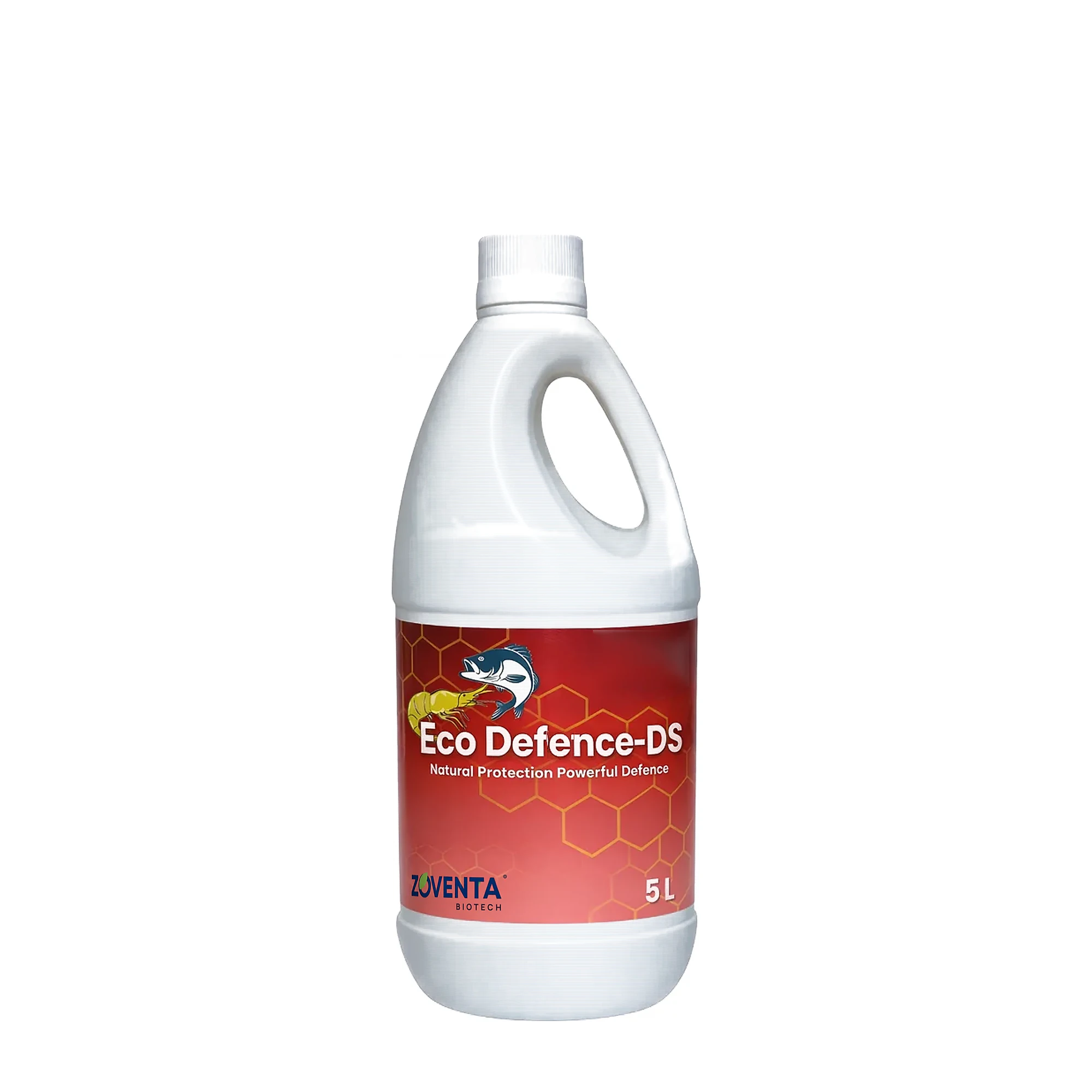
Natural Protection Powerful Defence
Eco Defence-DS
A natural sanitizer that helps keep pond water and equipment clean
- Natural Sanitization without harmful chemicals
- Helps keep pond water and equipment clean
Read more
- Guide · 7 minFloating vs Sinking Feed: Complete Guide for Indian Polyculture
- Guide · 6 minHow to Calculate Daily Fish Feed Requirement: A Practical Guide
- Guide · 8 minComplete Guide to Water Quality Management in Aquaculture
- Guide · 4 minCommon Feeding Mistakes in Traditional Aquaculture and How to Avoid Them
- Guide · 4 minKeeping Fish Healthy: Biosecurity, Pond Management and Early Warning Signs
- Guide · 3 minFeed Optimisation: Getting More Growth from Every Bag
- Guide · 3 minSeasonal Aquaculture: Best Practices for Each Season
- Guide · 3 minProbiotics in Aquaculture: What They Are and How to Use Them
- Guide · 3 minStocking Density: Finding the Right Balance for Your Pond
Work out feed for your catfish pond
Enter your stock count and average weight to get a daily feeding rate adjusted for water temperature — or ask the advisor and it will do the calculation for you.